Featured Checklist
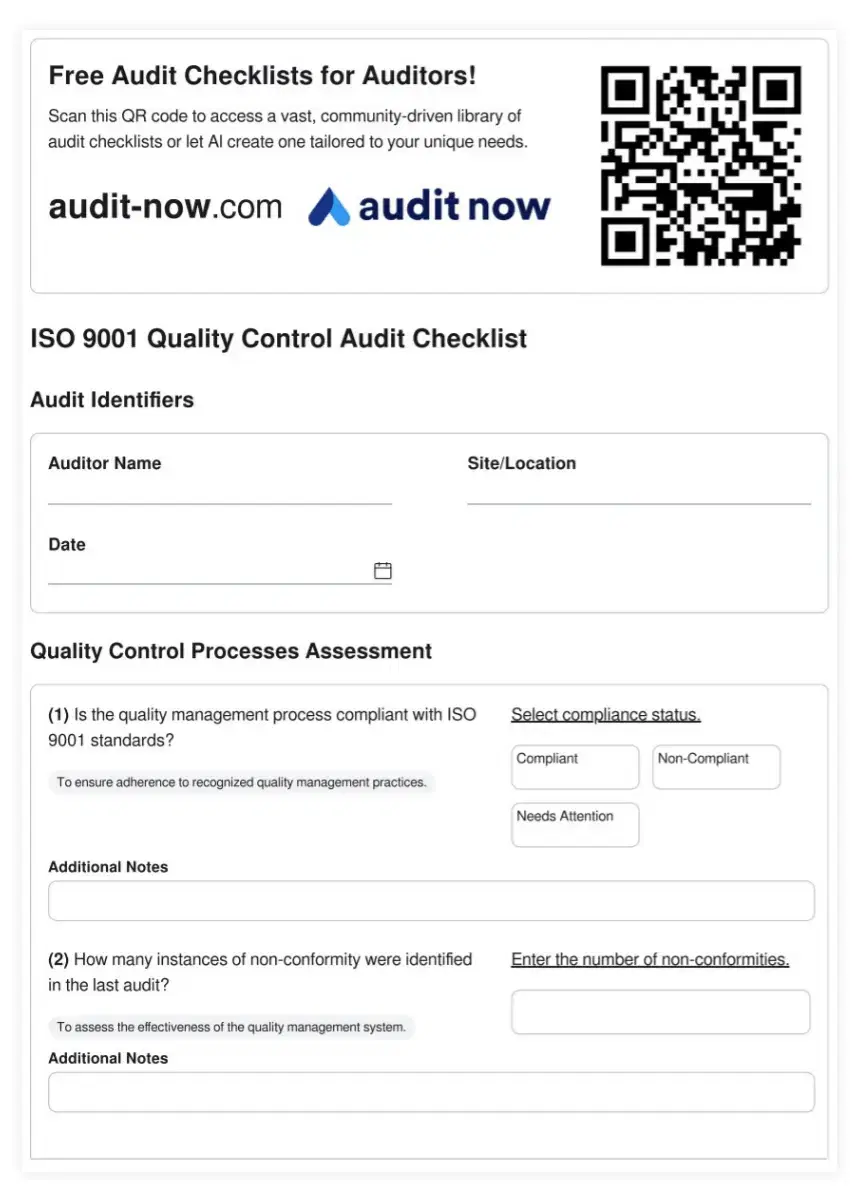
Pharmaceutical Supply Chain Management Audit Checklist
The Pharmaceutical Supply Chain Management Audit Checklist is a critical tool for ensuring the integrity, safety, and efficiency of the pharmaceutical supply chain. This comprehensive checklist addresses key aspects of supply chain management, including supplier qualification, material handling, storage conditions, transportation, and traceability. By systematically evaluating supply chain processes, pharmaceutical companies can maintain compliance with Good Distribution Practices (GDP), minimize the risk of counterfeit products, and ensure the quality and efficacy of medicines throughout their journey from manufacturer to patient. This checklist helps identify potential vulnerabilities in the supply chain, ultimately contributing to patient safety and product integrity.
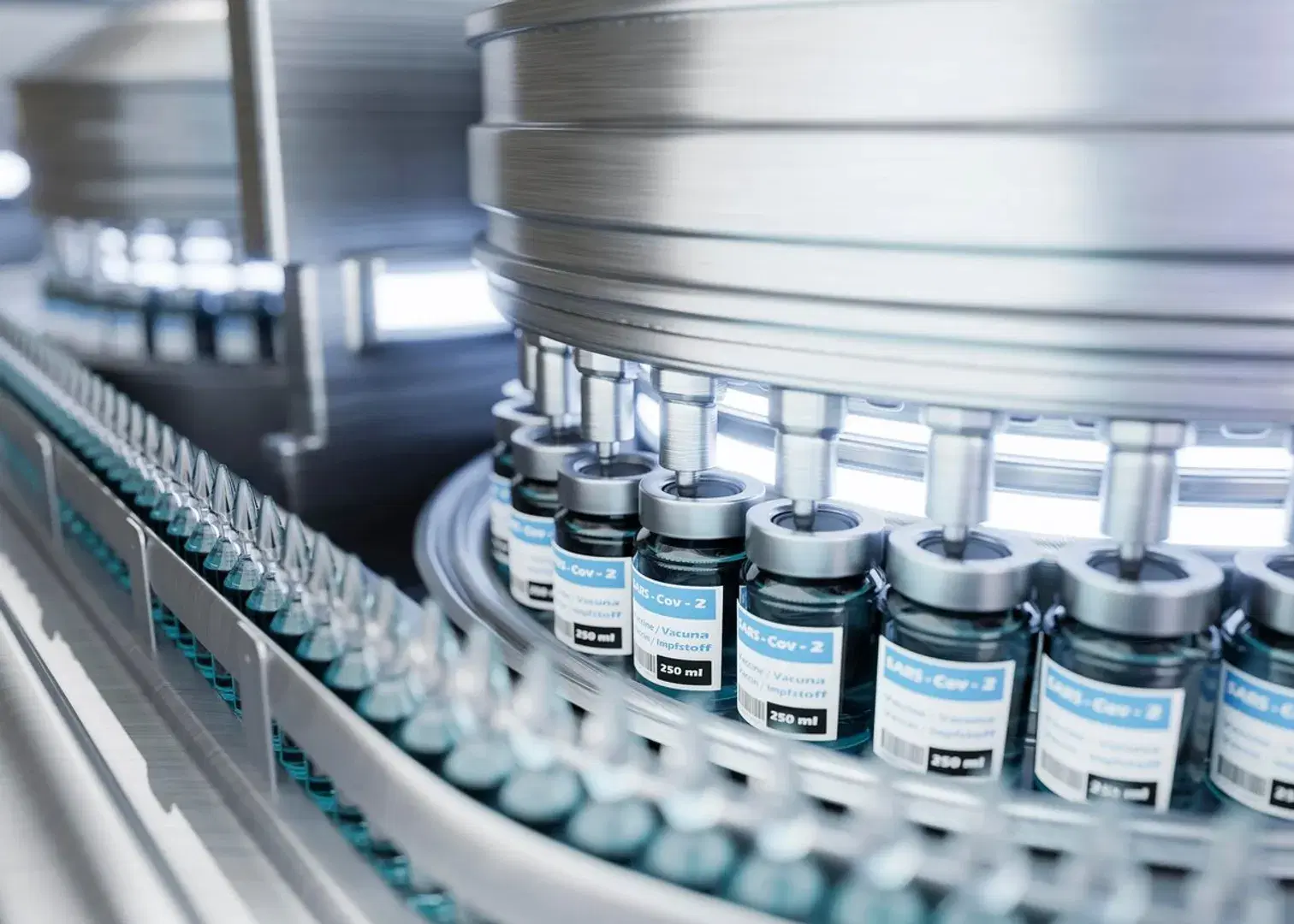
Pharmaceutical manufacturing facilities are specialized environments where medicines and medical products are produced under strict quality control measures. These facilities play a crucial role in ensuring the safety, efficacy, and consistency of pharmaceutical products that reach consumers worldwide.
Key aspects of pharmaceutical manufacturing facilities include:
The pharmaceutical industry is heavily regulated to ensure product safety and efficacy. Manufacturers must comply with various standards and regulations, including:
Good Manufacturing Practices (GMP): A set of guidelines that ensure consistent production and control of pharmaceutical products to quality standards.
FDA regulations: In the United States, the Food and Drug Administration oversees pharmaceutical manufacturing through inspections and enforcement of regulations.
ICH guidelines: The International Council for Harmonisation provides global standards for pharmaceutical development and manufacturing.
ISO standards: Various ISO standards apply to pharmaceutical manufacturing, such as ISO 13485 for medical devices.
Have questions about the regulations? Contact our experts for free guidance!
Contact
Audits are essential for maintaining compliance and quality in pharmaceutical manufacturing. Key areas of focus during audits include:
Evaluate the effectiveness of the facility's QMS, including documentation, change control, and continuous improvement processes.
Assess adherence to standard operating procedures (SOPs), batch record documentation, and process validation.
Inspect the condition, maintenance, and calibration of manufacturing equipment. Evaluate the facility's design and cleanliness standards.
Review procedures for raw material receipt, storage, handling, and inventory control.
Verify staff qualifications, training programs, and adherence to hygiene protocols.
Examine laboratory practices, test methods, and data integrity measures.
Assess procedures for batch release, product storage, and distribution practices.
Checklists are invaluable tools in pharmaceutical manufacturing audits and daily operations. They provide numerous benefits:
Consistency: Ensure all critical aspects are consistently evaluated across different audits and inspections.
Efficiency: Streamline the audit process by providing a clear roadmap for auditors to follow.
Compliance: Help ensure all regulatory requirements and industry standards are addressed.
Risk mitigation: Identify potential issues before they become significant problems.
Continuous improvement: Serve as a basis for tracking progress and identifying areas for enhancement.
Auditors and facility managers often face several challenges during the audit process:
Complexity of regulations: Keeping up with evolving regulatory requirements can be demanding.
Data integrity: Ensuring the accuracy and reliability of electronic records and data management systems.
Supply chain oversight: Auditing suppliers and contract manufacturers to maintain quality throughout the supply chain.
Technology integration: Adapting audit processes to new manufacturing technologies and automation systems.
Cross-contamination risks: Identifying and mitigating potential sources of product contamination.
To conduct successful audits in pharmaceutical manufacturing facilities, consider the following best practices:
Thorough preparation: Review previous audit reports, regulatory updates, and facility documentation before the audit.
Risk-based approach: Focus on areas with the highest potential impact on product quality and patient safety.
Clear communication: Maintain open dialogue with facility staff throughout the audit process.
Objective evidence: Base findings on factual observations and documented evidence.
Continuous learning: Stay updated on industry trends, new technologies, and regulatory changes.
Audit Now offers a comprehensive digital platform designed to enhance the efficiency and effectiveness of pharmaceutical manufacturing audits. Our solution provides:
AI-powered checklists: Customizable, intelligent checklists that adapt to your specific audit requirements.
Real-time collaboration: Enable seamless communication between audit team members and facility staff.
Automated reporting: Generate professional audit reports with just a few clicks, saving time and ensuring consistency.
Extensive template library: Access a wide range of industry-specific audit templates at https://audit-now.com/templates/.
AI checklist generation: Create tailored checklists for your specific audit needs using our AI-powered tool at https://audit-now.com/generate-ai-checklist/.
By implementing Audit Now's digital platform, pharmaceutical manufacturing facilities can streamline their audit processes, maintain compliance, and drive continuous improvement in their operations.
21 CFR Part 11 Compliance Audit Checklist
Pharmaceutical Technology Transfer Audit Checklist
