
Featured Checklist
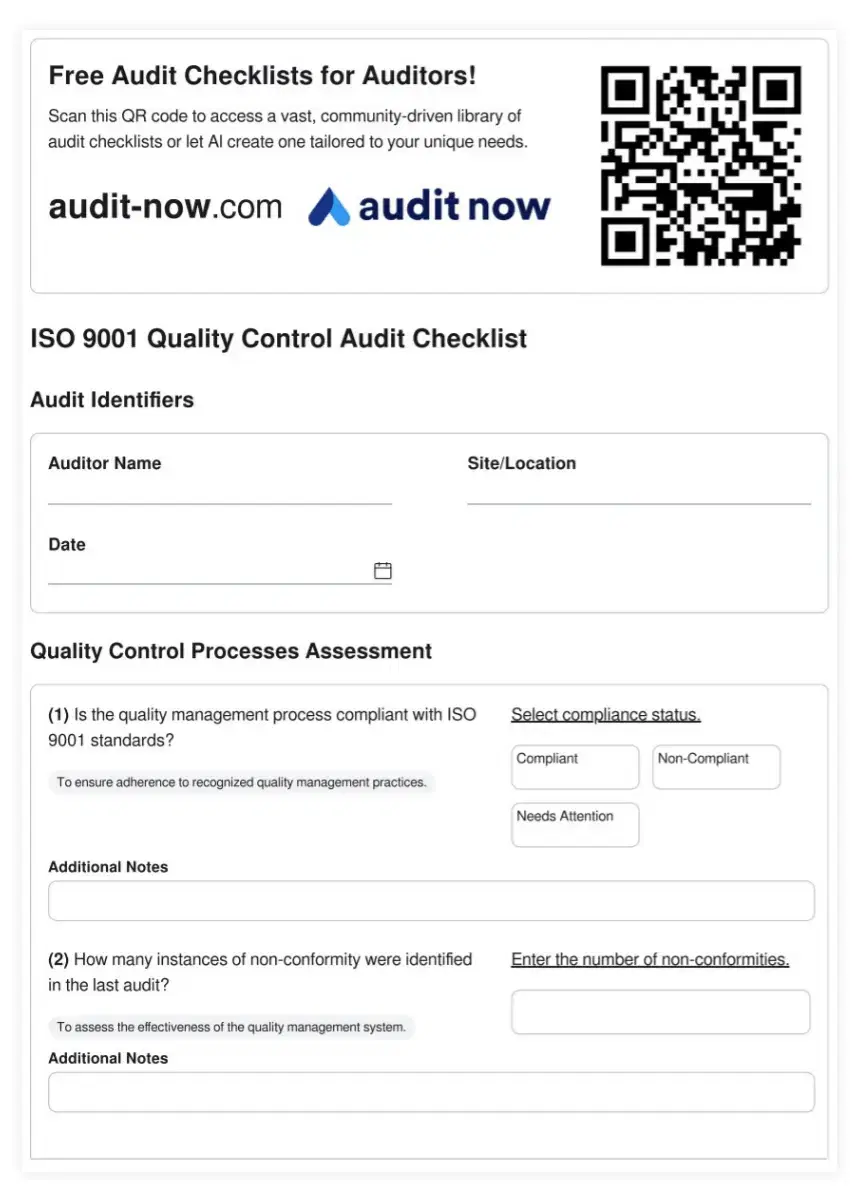
Sorting Facility Operational Efficiency Audit Checklist
In the fast-paced world of logistics and transportation, sorting facilities play a crucial role in ensuring efficient package handling and distribution. This comprehensive Sorting Facility Operational Efficiency Audit Checklist is designed to optimize performance, reduce bottlenecks, and enhance overall productivity. By addressing key areas such as workflow processes, equipment maintenance, safety protocols, and employee performance, this checklist helps identify areas for improvement and maintain high standards of operation. Regular audits using this checklist can lead to increased throughput, reduced errors, and improved customer satisfaction in the competitive logistics industry.
Sorting facilities play a crucial role in various industries, from waste management to e-commerce fulfillment. These facilities are responsible for efficiently categorizing and distributing items based on specific criteria. Proper management and auditing of sorting facilities are essential for maintaining operational excellence and compliance with industry regulations.
Need help about auditing of sorting facilities? Chat with us today for free guidance.
Contact
To ensure smooth operations in a sorting facility, several key components must be considered:
Regular audits are crucial for maintaining operational excellence in sorting facilities. Key areas to focus on during audits include:
Ensure that all safety protocols are followed, including proper use of personal protective equipment (PPE), adherence to machine safety guidelines, and implementation of emergency procedures.
Regularly assess the accuracy of sorting processes through random sampling and quality checks. This helps identify areas for improvement and maintain high standards of performance.
Verify that all sorting equipment, conveyor systems, and other machinery are properly maintained and functioning optimally. This includes checking maintenance logs and scheduling regular inspections.
Evaluate the effectiveness of employee training programs and ensure that all staff members are up-to-date with the latest sorting procedures and safety protocols.
For facilities dealing with waste or recyclables, assess compliance with environmental regulations, including proper disposal methods and recycling practices.
Implementing comprehensive checklists is vital for maintaining operational excellence in sorting facilities. Checklists serve several crucial purposes:
Checklists ensure that all employees follow consistent procedures, reducing errors and improving overall efficiency.
By incorporating regulatory requirements into checklists, facilities can easily track and demonstrate compliance with industry standards.
Regular use of checklists allows managers to identify trends in performance and address issues proactively.
Checklists serve as effective training aids for new employees, helping them quickly learn and adhere to facility procedures.
To conduct effective audits in sorting facilities, consider the following best practices:
Create detailed audit plans that cover all aspects of the sorting facility's operations, from intake to output processes.
Implement digital tools to conduct audits more efficiently, allowing for real-time data collection and analysis.
Include representatives from various departments in the audit process to gain diverse perspectives and insights.
Perform frequent internal audits to identify and address issues before they become significant problems.
Develop action plans to address any issues identified during audits and track progress on implementing improvements.
Audit Now offers a comprehensive digital solution for the operational excellence and auditing needs of sorting facilities. Our platform features AI-powered checklists, real-time collaboration tools, and automated reporting to streamline the entire audit process while maintaining the highest standards of accuracy and compliance.
To implement Audit Now in your sorting facility:
By leveraging Audit Now's powerful features, sorting facilities can enhance their operational excellence, ensure compliance with industry standards, and drive continuous improvement in their processes.
