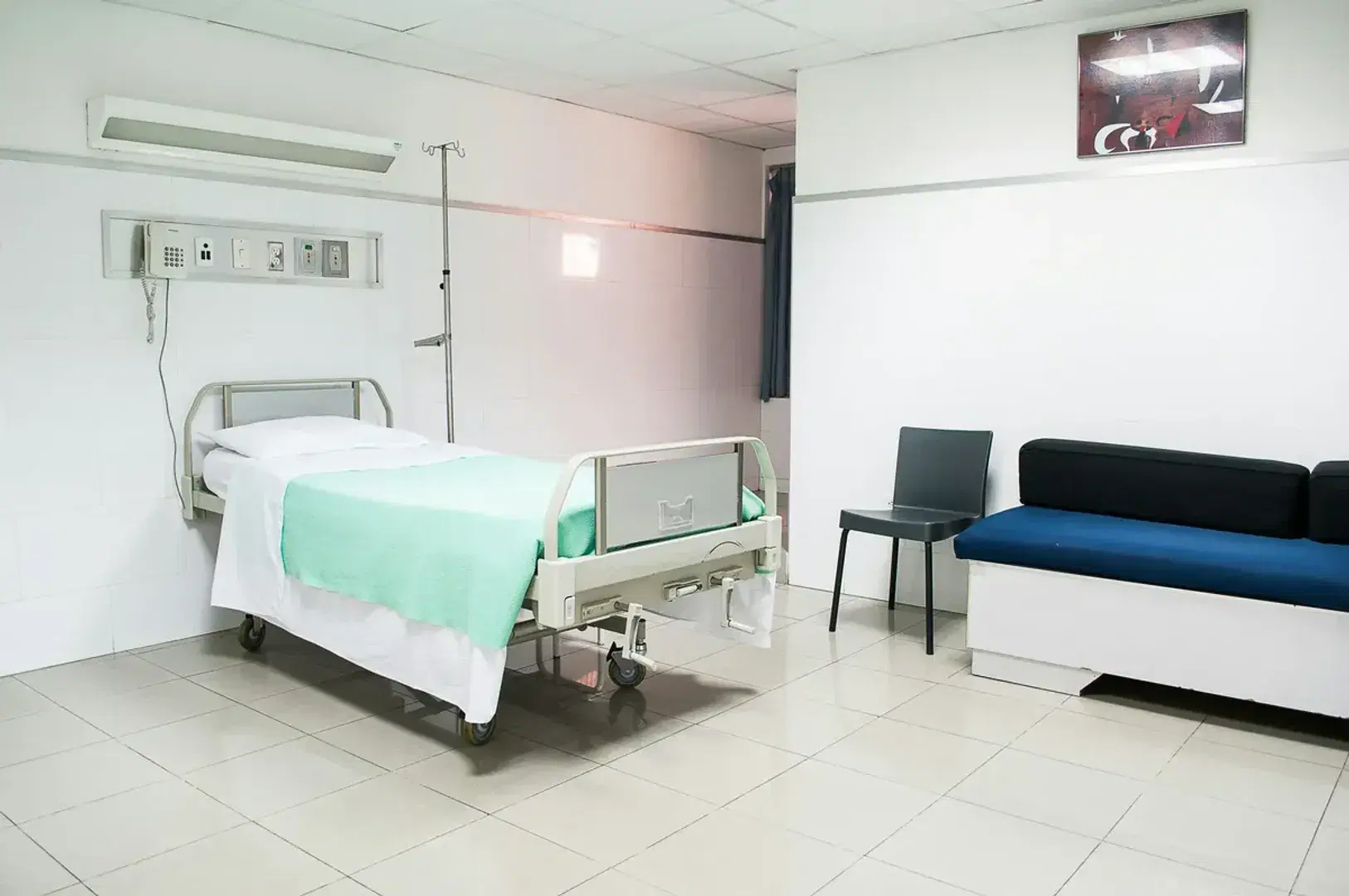
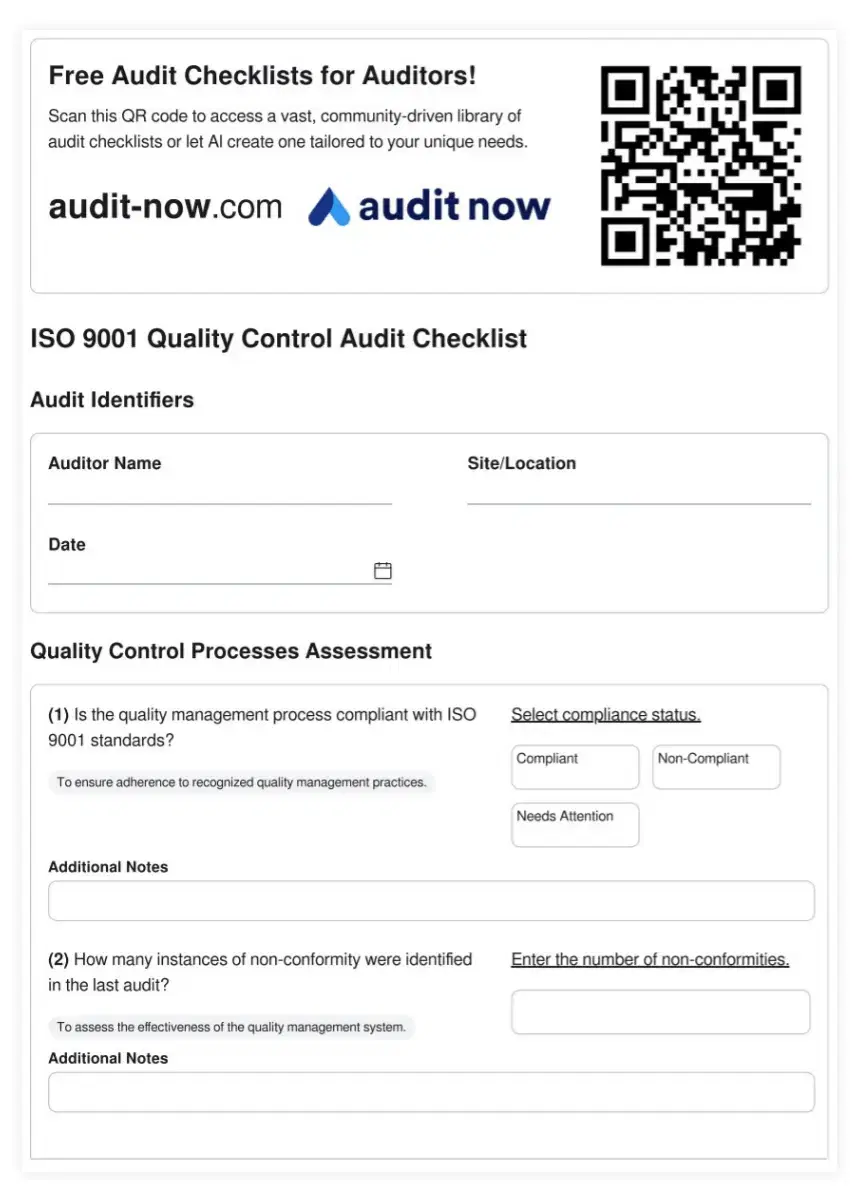
A Hospital Housekeeping Checklist is an essential tool for maintaining cleanliness, hygiene, and safety in healthcare facilities. This comprehensive checklist ensures that all areas of the hospital are properly cleaned, sanitized, and maintained to prevent the spread of infections and provide a safe environment for patients, staff, and visitors. By systematically addressing key areas such as patient rooms, common areas, and specialized medical spaces, this checklist helps healthcare facilities meet stringent hygiene standards, comply with regulations, and enhance overall patient care quality.
Understanding Hospital Audits: A Cornerstone of Quality Care
Hospital audits play a crucial role in maintaining high standards of patient care, safety, and operational efficiency. These comprehensive evaluations examine various aspects of hospital operations, from clinical practices to administrative procedures. By identifying areas for improvement and ensuring compliance with regulations, audits help hospitals deliver better care and optimize their resources.
Key areas typically covered in hospital audits include:
Patient Safety: Assessing protocols for medication administration, infection control, and fall prevention
Clinical Documentation: Reviewing accuracy and completeness of medical records
Facility Management: Evaluating cleanliness, maintenance, and safety of hospital premises
Staff Competency: Verifying qualifications, training, and performance of healthcare professionals
Financial Management: Examining billing practices, insurance claims, and budget allocation
Core Audit Requirements & Importance of Checklists for Hospitals
Effective hospital audits rely on well-structured checklists that ensure thorough and consistent evaluations. These checklists serve as roadmaps for auditors, guiding them through critical areas of assessment and helping maintain objectivity throughout the process.
Core audit requirements for hospitals often include:
Compliance with Regulatory Standards: Ensuring adherence to local, state, and federal healthcare regulations
Quality Assurance Measures: Evaluating systems in place to monitor and improve patient care
Risk Management Protocols: Assessing strategies to identify and mitigate potential risks to patients and staff
Resource Allocation: Reviewing the efficient use of hospital resources, including staff, equipment, and supplies
Patient Satisfaction: Examining feedback mechanisms and improvement initiatives based on patient experiences
Checklists play a vital role in operational excellence by:
Standardizing Processes: Ensuring consistency across different departments and shifts
Reducing Errors: Minimizing oversights and promoting attention to detail
Facilitating Communication: Providing a common framework for staff and auditors to discuss findings
Tracking Progress: Allowing for easy comparison of performance over time
Enhancing Accountability: Clearly defining responsibilities and expectations for each area of assessment
Discover Checklists
Discover checklists specifically designed for hospitals. Start improving efficiency today!
Best Practices for Hospital Operational Excellence
Achieving operational excellence in hospitals requires a multifaceted approach that combines effective leadership, streamlined processes, and a culture of continuous improvement. Here are some best practices that hospitals can implement:
1. Lean Management Principles
Adopting lean management techniques can help hospitals eliminate waste, improve efficiency, and enhance patient care. This involves:
Value Stream Mapping: Identifying and optimizing key processes in patient care and support services
5S Organization: Implementing a system for organizing workspaces to improve efficiency and reduce errors
Continuous Flow: Minimizing delays and bottlenecks in patient care pathways
2. Data-Driven Decision Making
Leveraging data analytics can provide valuable insights for improving hospital operations:
Performance Dashboards: Creating visual representations of key performance indicators (KPIs) for quick analysis
Predictive Analytics: Using historical data to forecast patient volumes and resource needs
Benchmarking: Comparing performance metrics against industry standards and peer institutions
3. Staff Engagement and Development
Investing in staff is crucial for maintaining high standards of care and operational efficiency:
Continuous Training: Providing ongoing education and skill development opportunities for all staff members
Employee Feedback Systems: Implementing mechanisms for staff to share ideas and concerns
Cross-Functional Teams: Encouraging collaboration between different departments to solve complex problems
4. Technology Integration
Embracing technological advancements can streamline hospital operations and improve patient care:
Electronic Health Records (EHR): Implementing robust EHR systems to improve documentation and care coordination
Telemedicine: Offering remote consultations to increase access to care and reduce unnecessary hospital visits
Automated Inventory Management: Using RFID and barcode systems to track supplies and reduce waste
Revolutionizing with Audit Now's Digital Solution
Audit Now offers a comprehensive digital platform designed to transform the way hospitals approach audits and operational excellence. Our solution streamlines the entire audit process, from planning to reporting, while ensuring the highest standards of accuracy and compliance.
Key features of Audit Now's platform include:
AI-Powered Checklists: Customizable, intelligent checklists that adapt to your hospital's specific needs
Real-Time Collaboration: Tools that allow auditors and staff to work together seamlessly, even across different locations
Automated Reporting: Generate comprehensive reports with just a few clicks, saving time and reducing errors
Extensive Template Library: Access a wide range of pre-built templates tailored for various hospital departments and processes
Implementing Audit Now's digital solution is straightforward:
Contact our team for a personalized demo and implementation plan
By embracing Audit Now's digital platform, hospitals can elevate their audit processes, enhance operational excellence, and ultimately deliver better patient care. Experience the future of hospital auditing and take the first step towards transforming your healthcare facility today.