Featured Checklist
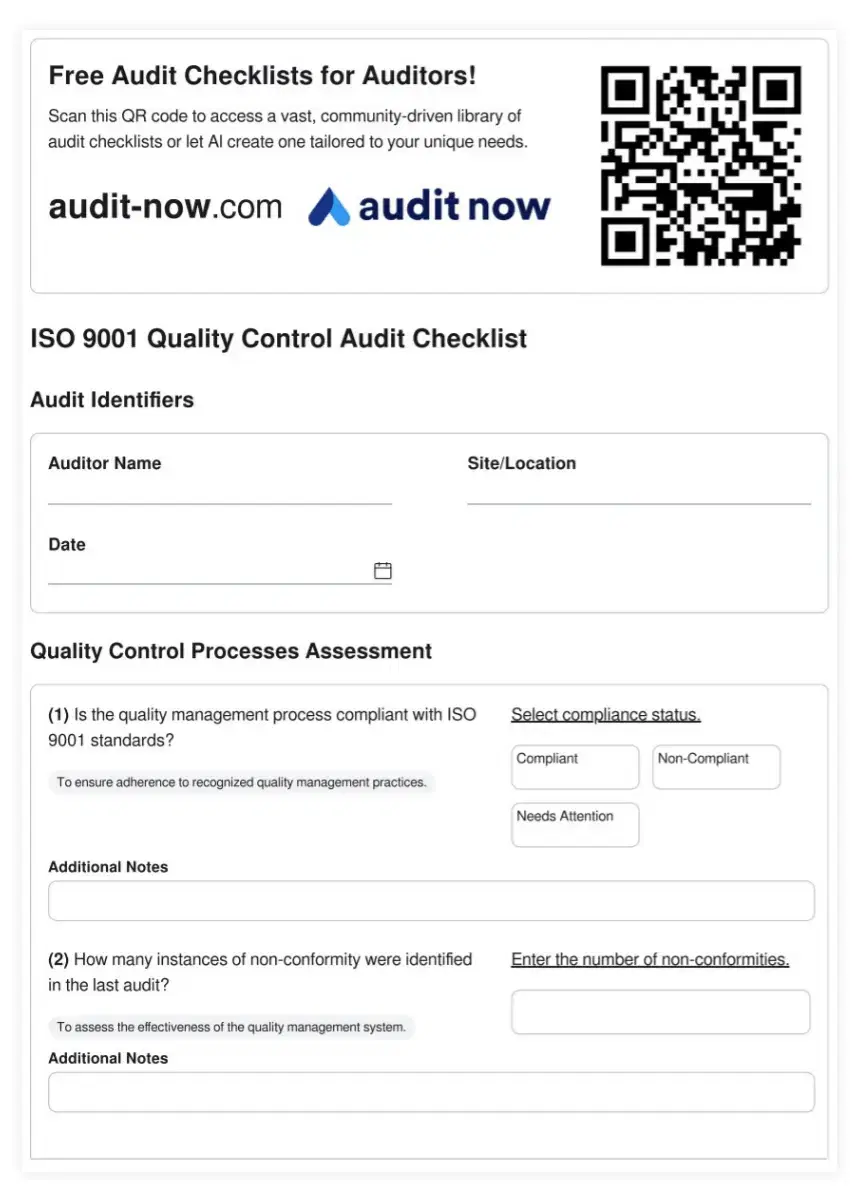
Nursing Home Medication Storage and Security Audit Checklist
Proper medication storage and security are critical aspects of resident safety in nursing homes. This comprehensive audit checklist is designed to evaluate and improve practices related to medication storage, handling, and security in long-term care facilities. By addressing key areas such as temperature control, access restrictions, inventory management, expiration date monitoring, and controlled substance protocols, this checklist helps identify potential risks and ensures compliance with medication safety standards. Regular audits using this checklist can significantly reduce medication errors, prevent drug diversion, and enhance overall medication management in nursing homes.
Nursing homes play a crucial role in providing long-term care and support for elderly individuals who require continuous medical attention and assistance with daily activities. These facilities are responsible for maintaining a safe, comfortable, and nurturing environment for their residents while adhering to strict healthcare regulations and standards.
Key aspects of nursing home operations include:
Regular audits are essential for ensuring nursing homes maintain high standards of care and comply with regulatory requirements. Core audit requirements typically focus on the following areas:
Auditors assess the overall quality of care provided to residents, including:
Evaluating how well the facility respects and protects residents' rights, including:
Reviewing staffing levels, qualifications, and ongoing training programs to ensure:
Assessing the physical environment for safety and accessibility, including:
Need help understanding audit requirements? Chat with us today for free guidance.
Contact
Checklists are invaluable tools for maintaining operational excellence and ensuring consistent, high-quality care in nursing homes. They offer numerous benefits, including:
Checklists help standardize critical processes across the facility, ensuring that all staff members follow the same procedures and protocols. This consistency leads to improved quality of care and reduced errors.
By incorporating regulatory requirements into checklists, nursing homes can ensure they meet all necessary standards and avoid potential compliance issues during audits.
Checklists facilitate clear communication between staff members and shifts, ensuring that important tasks are completed and critical information is shared effectively.
Using checklists creates a clear record of completed tasks and responsibilities, promoting accountability among staff members and making it easier to identify areas for improvement.
Checklists serve as memory aids, helping staff remember and complete all necessary tasks, especially during busy periods or emergencies.
To ensure comprehensive auditing and maintain operational excellence, nursing homes should implement the following key checklists:
This checklist should cover daily care routines, including:
An infection control checklist should address:
This checklist should focus on maintaining a safe environment, including:
Ensure proper documentation practices with a checklist covering:
Audit Now offers a comprehensive digital platform designed to revolutionize the auditing process for nursing homes. Our solution provides:
To get started with Audit Now's digital solution:
By leveraging Audit Now's digital platform, nursing homes can streamline their auditing processes, ensure compliance with regulations, and ultimately enhance the quality of care provided to residents.
HL7 Implementation Audit Checklist
JCI Facility Management and Safety Audit Checklist
Fire Door Safety Inspection Program
Clinical Audit Checklist
Fire Safety Risk Assessment Checklist
HIPAA Privacy Rule Compliance Checklist
Commercial HVAC Maintenance Checklist
